One year worth for ten: My 6th year at GitLab
My 6th year at GitLab felt like “one year worth for ten”: embedded DevSecOps homelab experiments, AI agent workflows, a six‑city DACH roadshow, a Principal promotion, and a new way of working. This reflection captures what happened, what I learned, and why I stay.

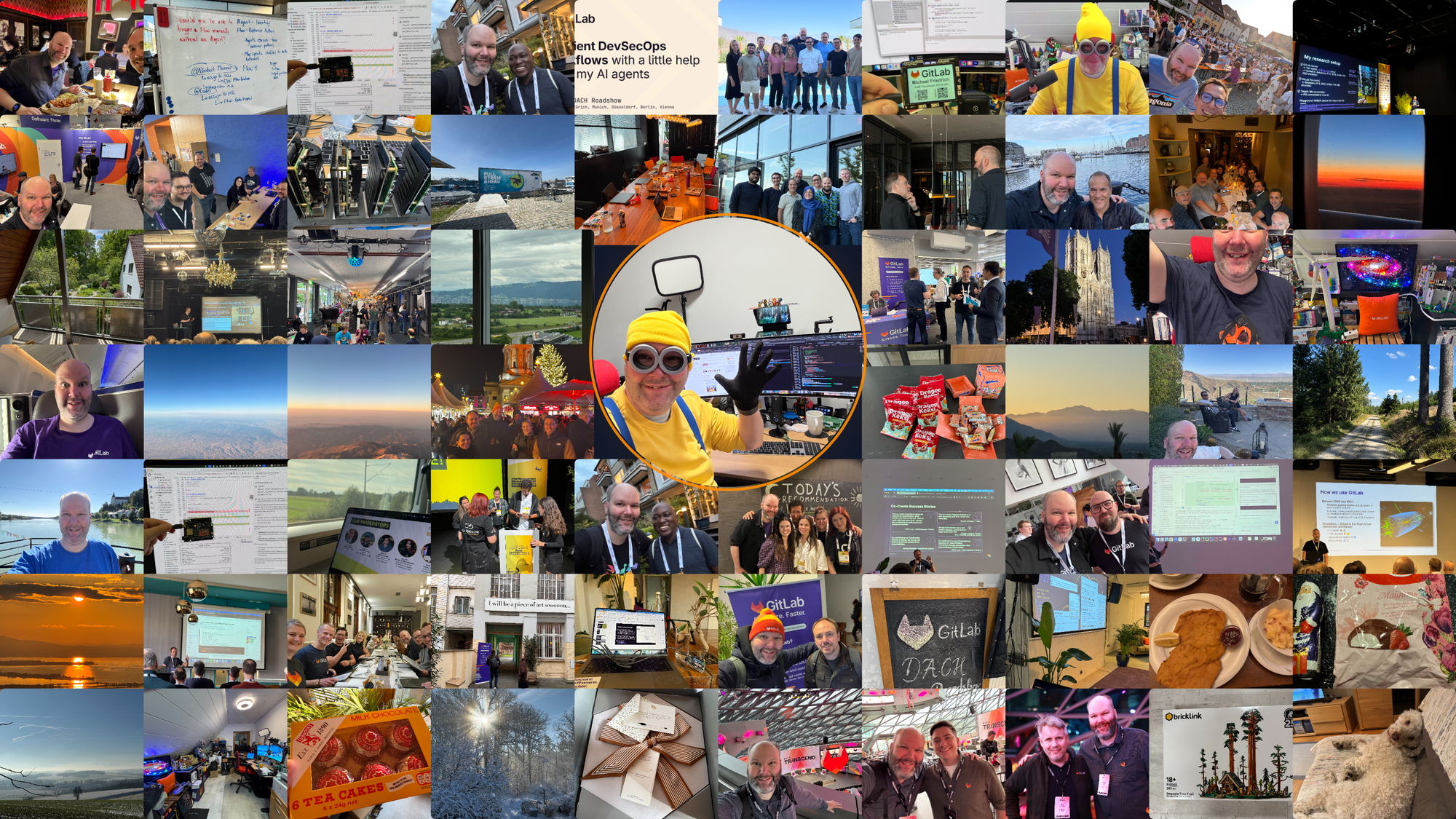
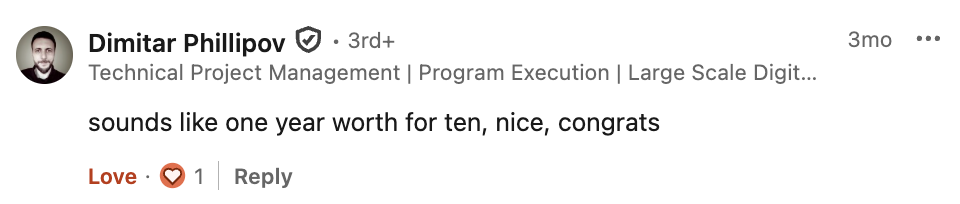
"Sounds like one year worth for ten." said a friendly human on LinkedIn, cheering on my promotion to Principal Developer Advocate. 15 months after my promotion to Staff. This was truly one of my highlights ... but there's a whole lot more.
A fast 6th year
This detailed reflection is for my future self and everyone following and cheering on my adventure. It comes with a steep learning curve, more building-block connections, and mid-year reflections than in the years before.
March 2025
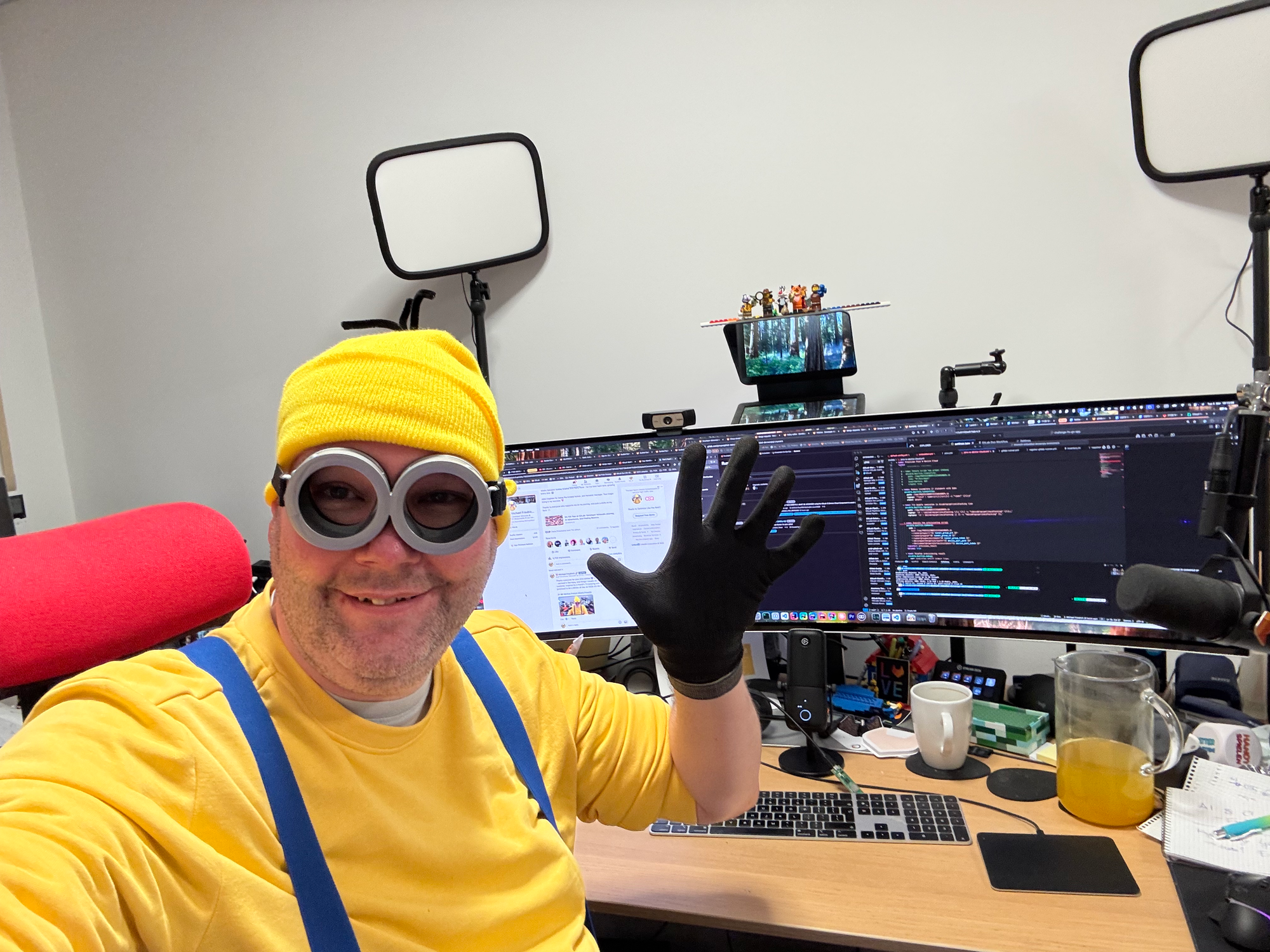
My 6th year started with a carnival in Germany, and I could not resist showing up in yellow on my calls – from coffee chat to DevRel team all-hands meetings, everyone had a laugh. The "dnsminion" Slack emoji was born, too. I can still bring my true authentic (and crazy) self to work every day. 🙃🍌
A week later, we met at Embedded World in Nuremberg. I learned a lot about how customers in the Embedded vertical need to adopt SCM, CI, Security and now AI. It was also fascinating to return to my Hardware/Software Systems Engineering roots.
 🦊 Michael Friedrich 🌈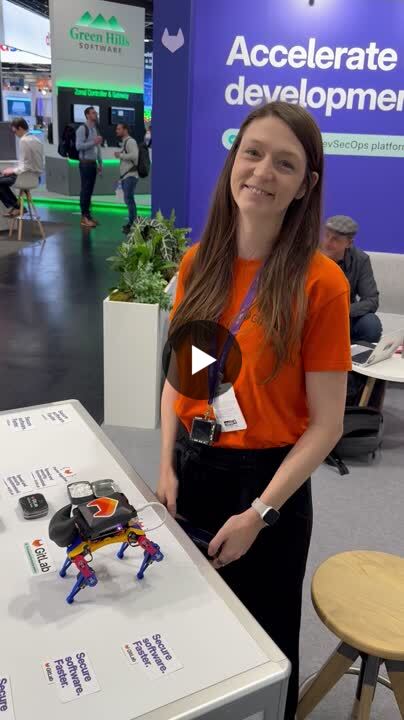
April 2025
I translated everything I learned from Embedded World into an adapted growth plan (learning technology like RTOS, Yocto, etc.) and continued building my homelab with Raspberry Pi, NVIDIA Jetson and Ansible.

May 2025

I met Bill Staples for our first coffee chat, and "it clicked". We share similar vision and a passion for a great product and customer success ... Later in July, I said publicly: "I joined GitLab in 2020 to work with Sid, and I am staying to innovate with Bill".
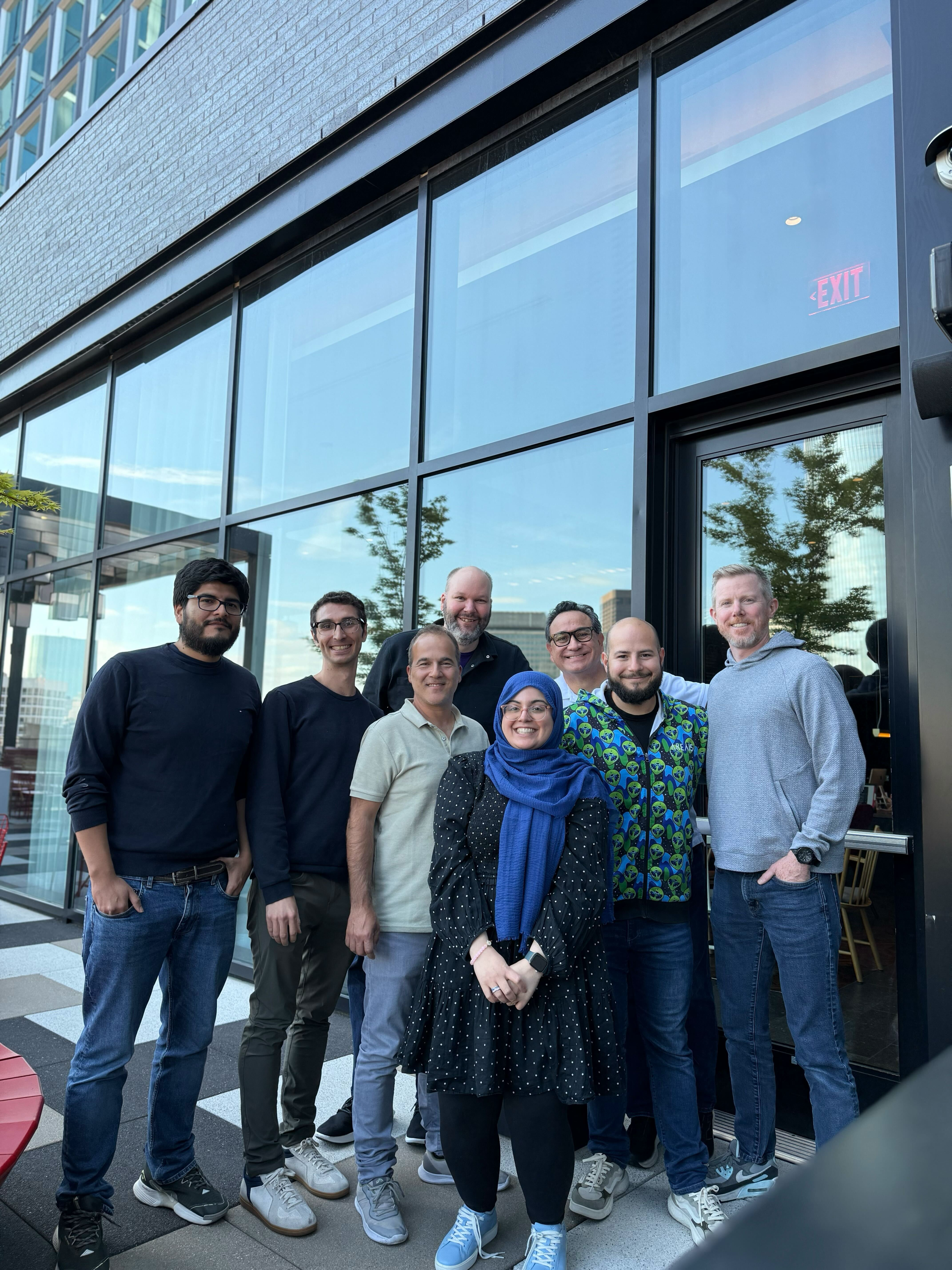
Our team was very busy remotely and we wished for an in-person connection: "We should do a Dev Advocacy team offsite ..." - and there I was going to Boston for the first time. Great team building with developing the 18.0 launch demos, and enjoying life.
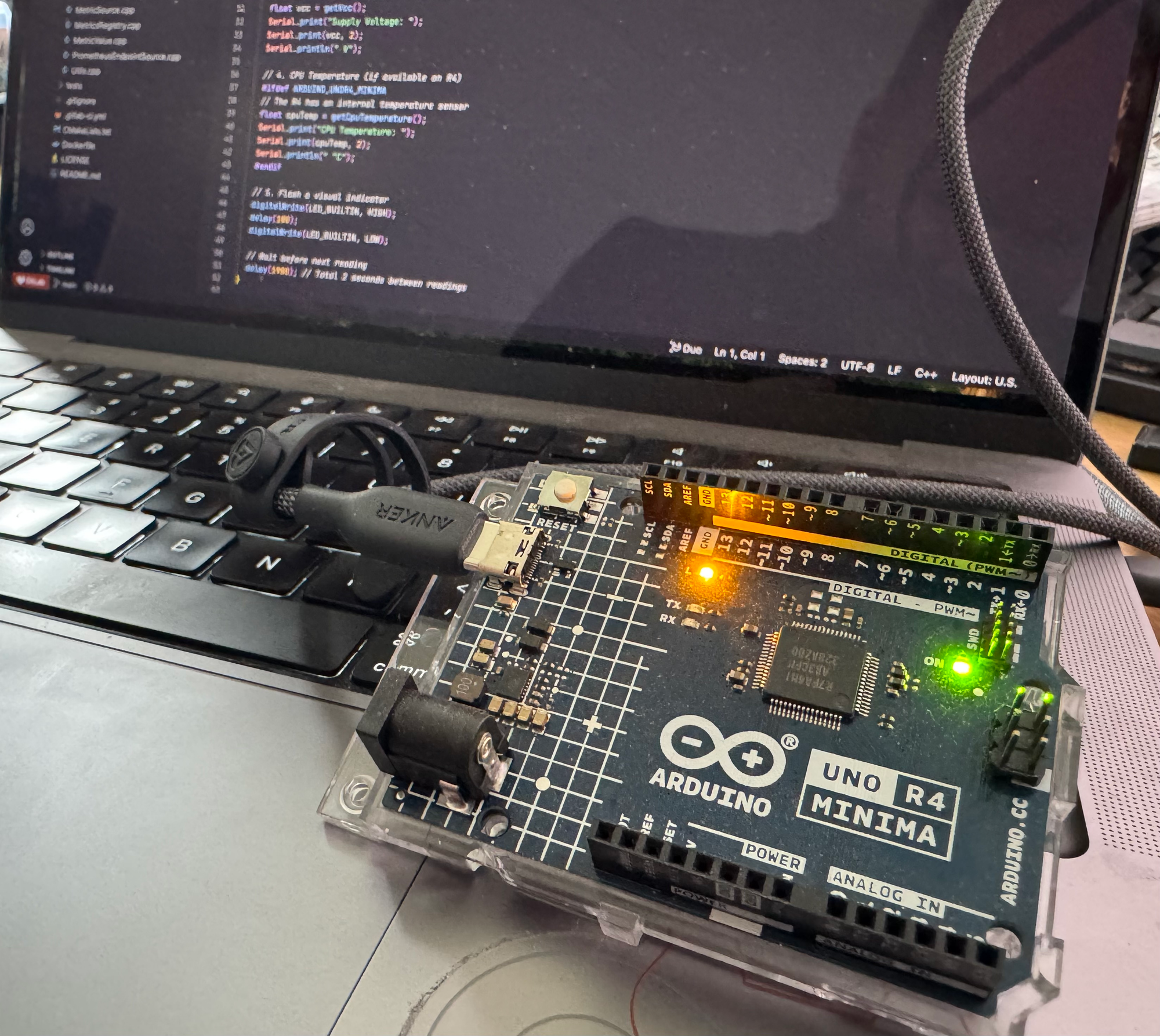
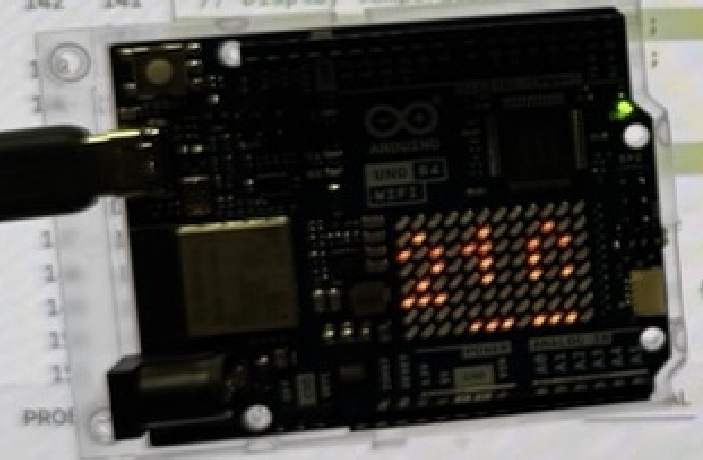
The demo creation required focussed work in 4-5 days, handing it over to the launch team for the GitLab 18 event in June 2025. From my Embedded learnings, I combined a hardware metric (Arduino) with a software sensor (C++ Observability). The challenge for Agentic AI - fix the broken metric collection, and modernize the C++11 code. (project).
June 2025
The annual Open Source @ Siemens event in Zug, Switzerland, felt like friends coming together again. Roger Meier shortly asked me if I could contribute a talk, and so I came up with my own "Learning AI 101" story, using the event schedule as data to explain context with LLM, RAG, tools, MCP, with many tips included.
The talk also gave me back my confidence for engaging content ... in the era of AI, it sometimes feels like talking to the void. I realized that "my learning story with failures on the way" matters most, and how my homelab experiments with LLMs on a Raspberry Pi and NVIDIA Jetson created a unique story arc. You'll see that inspiration reflected in later September talks.
 🦊 Michael Friedrich 🌈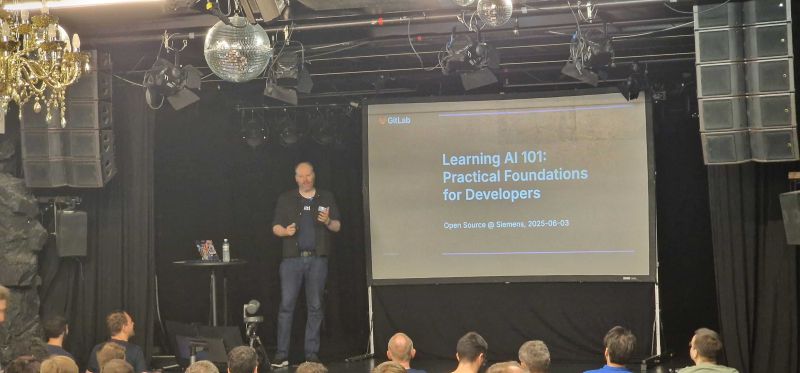
Later in June, I went to London to the Open Source in Finance Forum. One of my most memorable cab rides - from curiosity to encouraging talent to join local communities. Over the years traveling, I've set myself a goal of at least one meaningful conversation with someone I have never met before.
 🦊 Michael Friedrich 🌈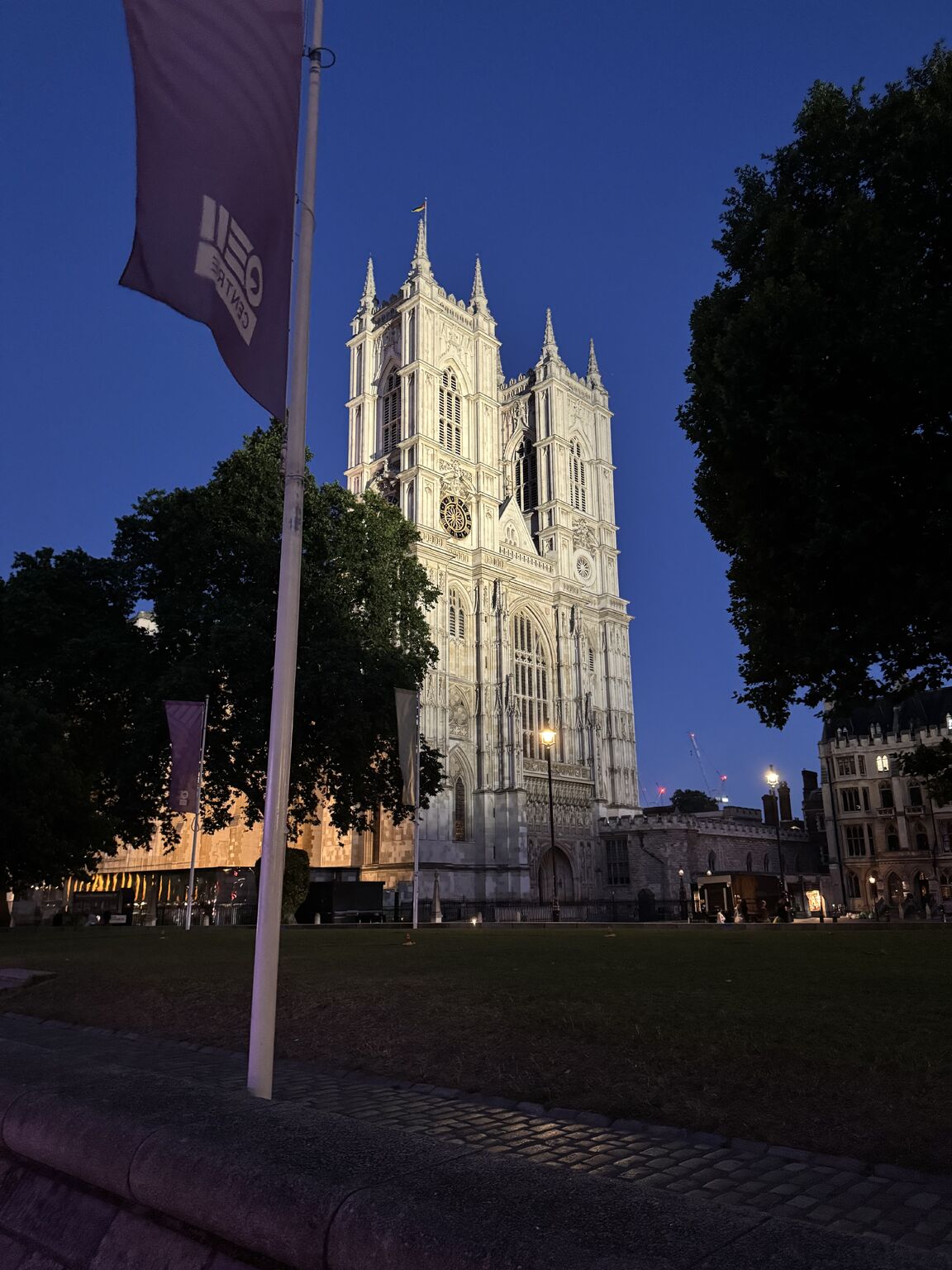
July 2025
Logging on with a Slack DM from Bill: "We are planning a Duo/AI UX design workshop in person. Do you want to join?" After weeks of advocating for an agent platform, beyond IDEs, being asked to contribute to the UX vision meant a lot. Of course, yes, I joined. We met in Palm Springs for a week of hacking, designing, and debating the agent platform vision. Many of us met for the first time, creating these long lasting connections we share in every remote collaboration today.
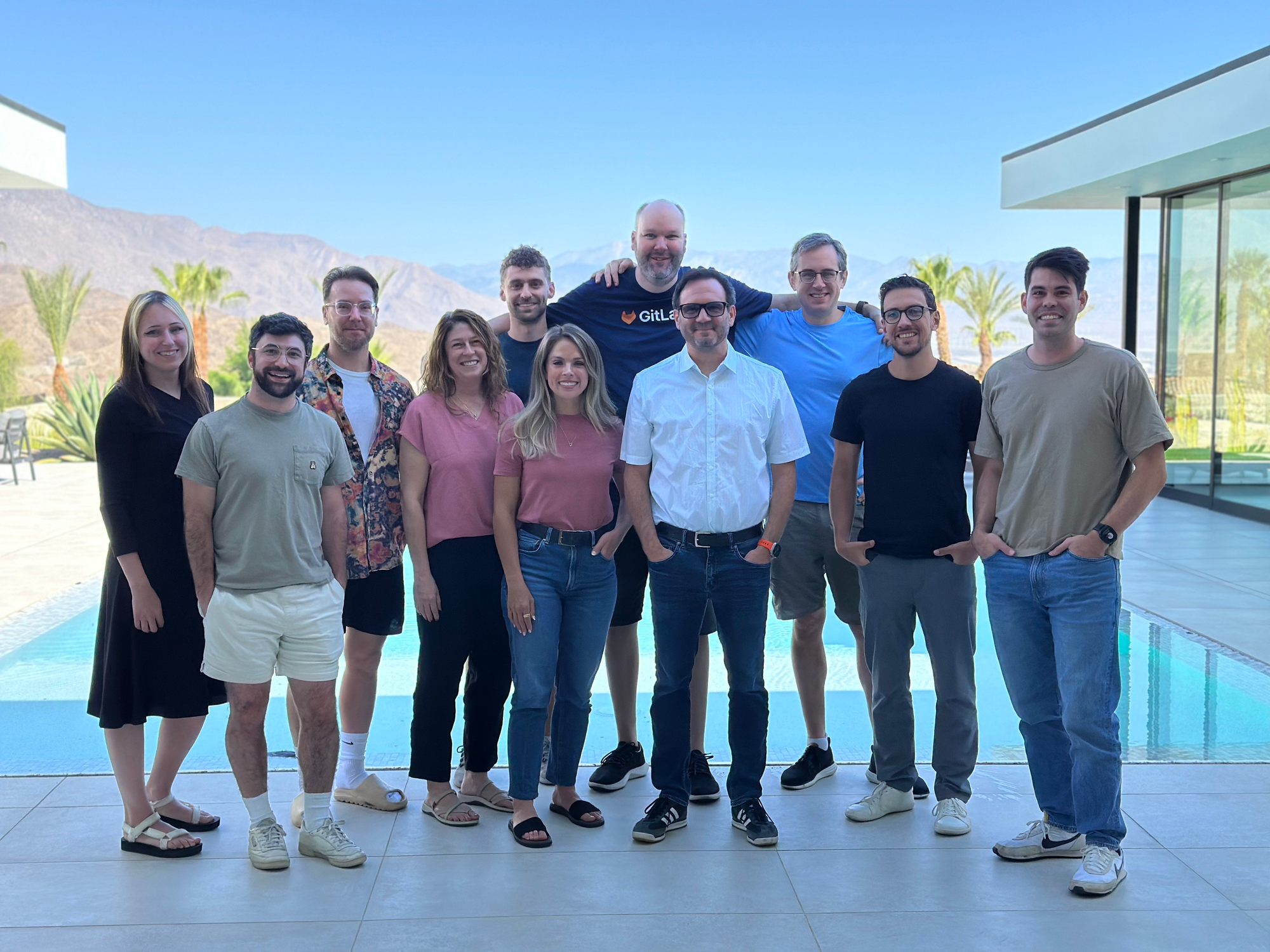
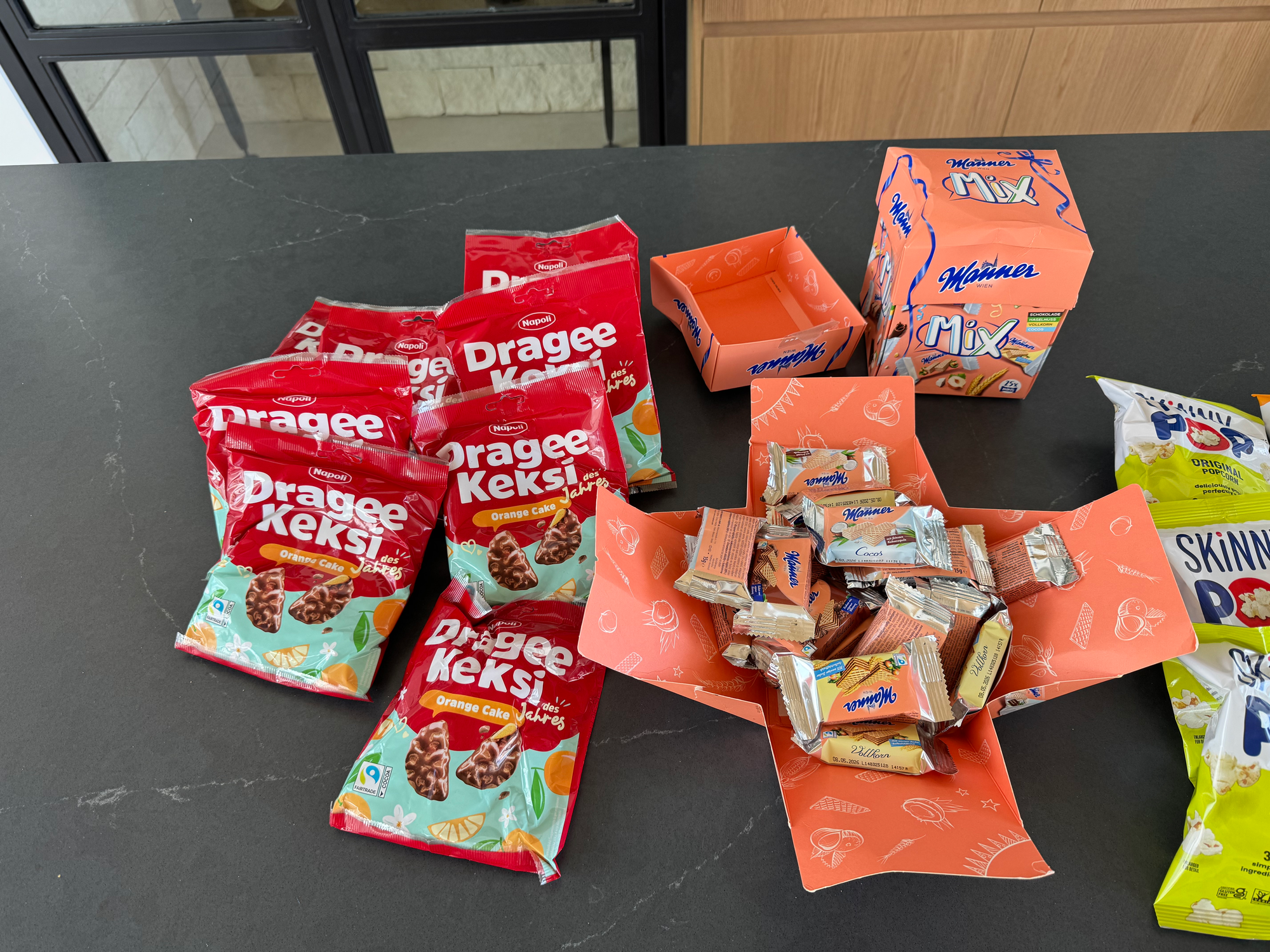
Did I bring Austrian treats, such as Dragee Keksi and Manner wafers? If you have read my previous years' reflections, you guessed correctly ;-) Different cultures, tastes and experiences is why I love working remotely across the globe.
August 2025
"Oh my, 4 events in 3 weeks in September. And I need to create 3 talks + demos." With that sense of urgency, I still forced myself to slow down and take one week of unplugging in Austria beforehand.
 🦊 Michael Friedrich 🌈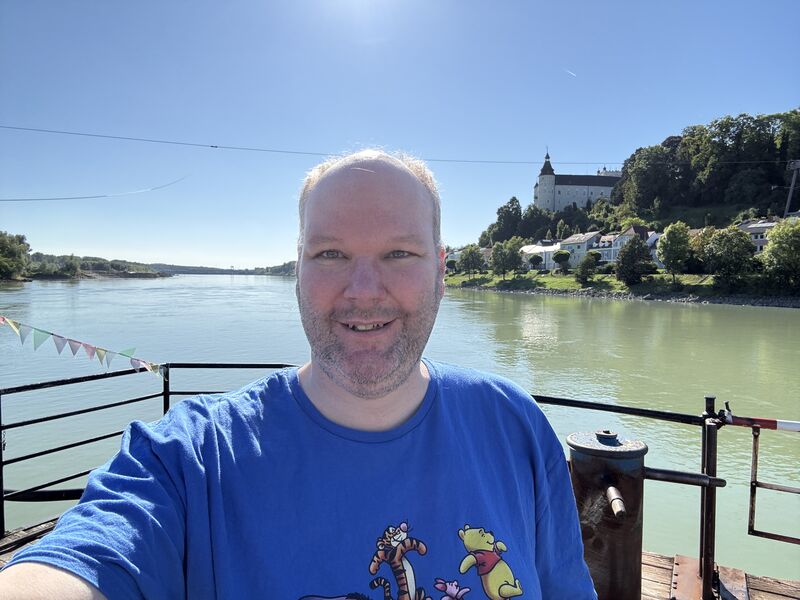
Then the challenge seemed more doable: Developing 3 talks in parallel, whilst contributing to the monthly demo recordings for GitLab releases. The Open Source @ Siemens talk in June also had left its footsteps in the sand, and I repurposed the homelab LLM slides into both, the Container Days and Bitkom Forum Open Source talks.
The talk for the GitLab DACH Roadshow about Duo Agent Platform use cases needed its own story. The initial C++ Arduino sensor in May 2025 helped me build a cohesive roadmap with many languages as observability sensors in the Tanuki IoT Platform:

September 2025
Week 1: Container Days in Hamburg. First time as a track moderator, what an honor in my 4th year as a speaker. I truly enjoy this community focussed event, a smaller KubeCon with impactful conversations. Kudos to Santa, Verena, Melody, Rachid and Mar for the best experience as a moderator team ever – and the lovely surprise with Santa saying "I will join GitLab, soon.".
 Santa Rudevica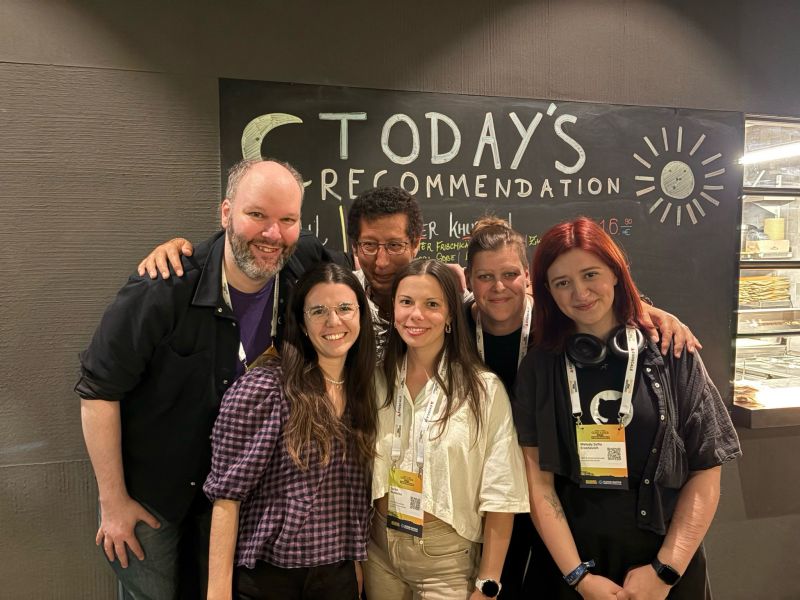
 🦊 Michael Friedrich 🌈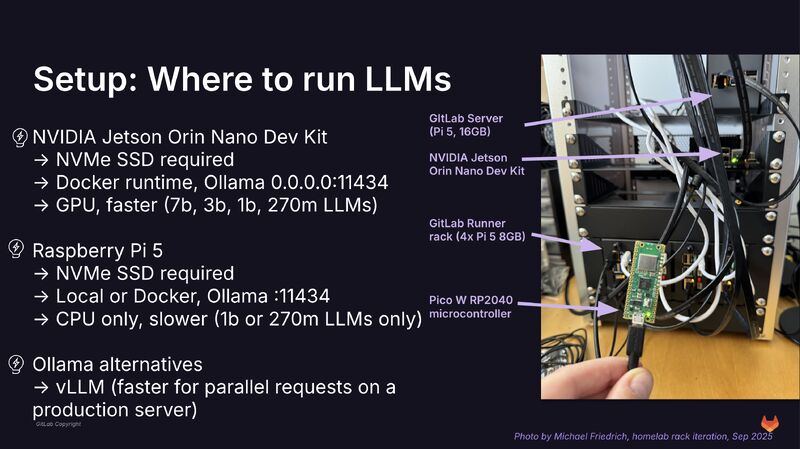
Week 2: GitLab DACH Roadshow Frankfurt on Tuesday, Bitkom Forum Open Source in Erfurt on Thursday. Travel time within 2 hours, but still a bit intense with 2 different talks and event days. At this point, I felt the burn from the August preparations leading up to delivering the talks.
 🦊 Michael Friedrich 🌈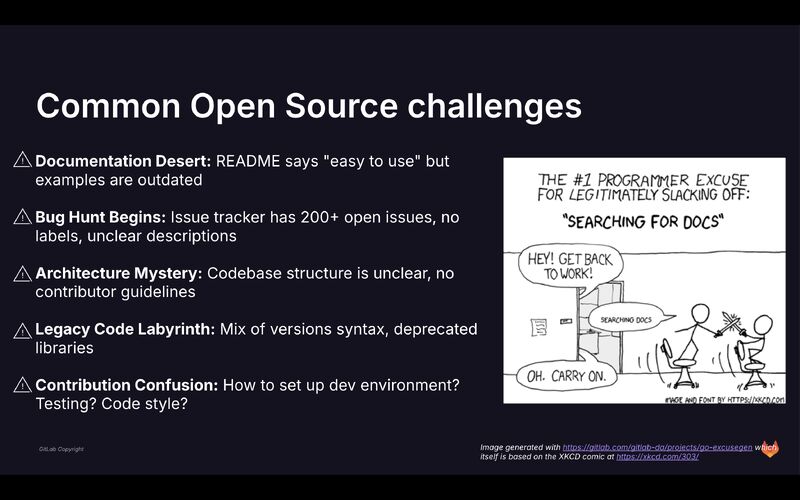
Week 3: GitLab DACH Roadshow in Zurich on Thursday, inspiring talks from CERN, and first customer saying "Great talk and use cases. Is there also a CLI?" (which inspired the next steps, see October later).
Week 4: I connected my travel to Switzerland with a vacation at Lake Constance right after, a location where German, Austria, Switzerland meet at their borders. A view from the mountain over the lake, a little wellness and nature, a quiet chalet to read and recharge, and superb food. A much needed break from everything. (want to go there? –> Fritsch am Berg)

October 2025
The show must go on. 2 DACH Roadshow stops coming up (Oct 14 + 28), a cold over the weekends, and I needed a moment to stop and rest. I stayed home and did not attend DevOps Camp Nuremberg, missing out on a great community event this year. But it helped me reflect on event planning - too much is too much, cannot do everything.
My DACH Roadshow talk was already very ambitious - a living talk story with the latest development from monthly GitLab releases. Munich added custom agents, while Duesseldorf got the first Duo CLI live demo (see the Changelog at the end of the slides). That brought unexpected Agentic AI behavior, some failures, but most importantly - inspiration and discussion for customer needs.
 🦊 Michael Friedrich 🌈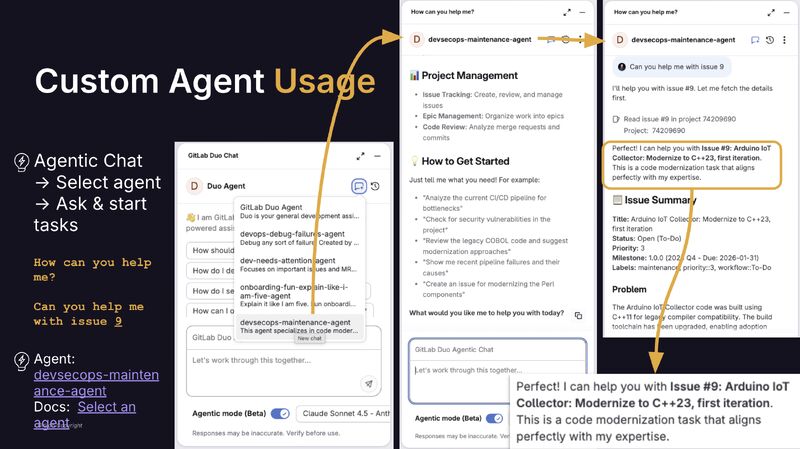
We also discussed how to record the talk for others to watch later – Raimund suggested a true boring solution: A tripod and our mobiles. (read on in December how this turned out).
November 2025
A break in event travel, and a well needed surprise and appreciation: I got promoted to Principal Developer Advocate 🤩
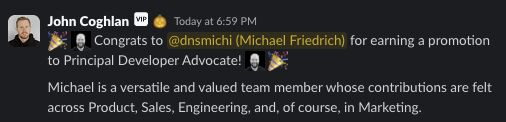
Thank you, unknown friend, for nailing it to how it felt:
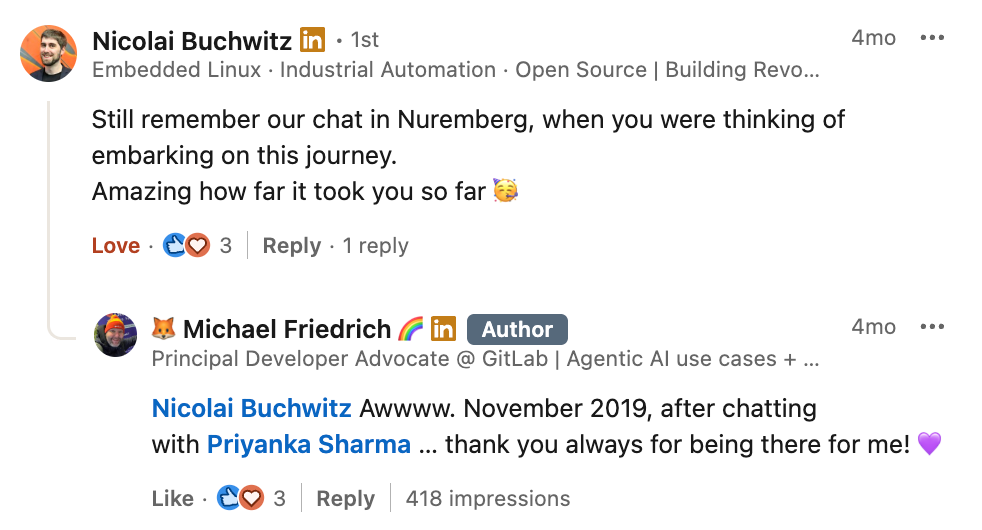
Nicolai brought back lovely memories from Nov 2019, when I asked for his advice at breakfast, lunch, dinner. "Michi, do this for yourself."
This promotion is more than I planned in my career (it always was "Staff"). Seeing myself achieve it just 15 months after Staff gave me a massive confidence boost in everything I do.
December 2025
Remember the tripod recording idea from October? We made it happen. The audiences in Berlin and Vienna were excited by the live demos, and so can be everyone remotely.
For the Austrian speaking audience at the GitLab DACH Roadshow in Vienna, I created a custom AI agent that understands Austrian dialect. Its system prompt instructed to respond with "Oida damma wos" to all requests ("Hey you, lets do that" [strong emphasis]). The demo use cases had an urgent COBOL fix request and it was quite funny to see unpredictable Agentic AI in action - watch it yourself in the recording!
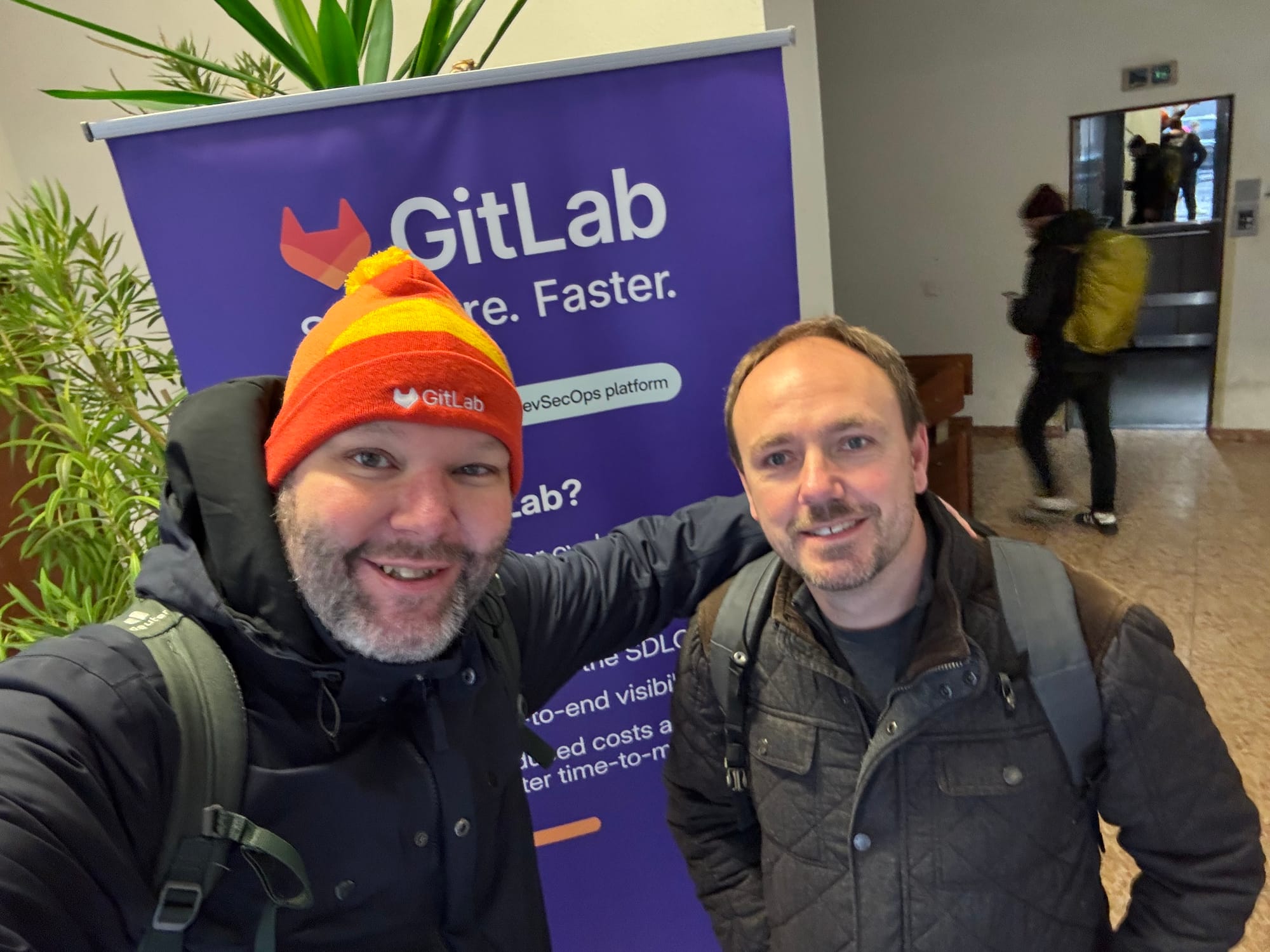
The stop in Vienna concluded a strong 6 city event with live demos and continuous talk development. I truly enjoyed the many questions after my talks, and turning them into actionable product feedback and field enablement content. Huge thanks to Raimund for being my friend and partner in crime for the GitLab DACH Roadshow 2025!
The year did not stop yet - the use cases for Agentic AI inspired a large customer's workshop and enablement series for Duo Agent Platform, cross-functional between sales, product, engineering and DevRel. What a moment to hear their name in February in the Company Kickoff later, seeding the plants for adoption early.
January 2026
After nearly a year of advocating, designing, building, testing, iterating, GitLab Duo Agent Platform launched as generally available. I knew the work would not just end there. Incoming bug reports, customer feedback, new use cases and ideas - everything continued as expected. I joined Field Enablement and customer adoption calls, shared my deep product knowledge, and listened to customer needs, turning them into feature and design proposals. I also enjoyed welcoming Stuart Moncada, VP of Product, AI and our continued collaboration in a fast moving industry.
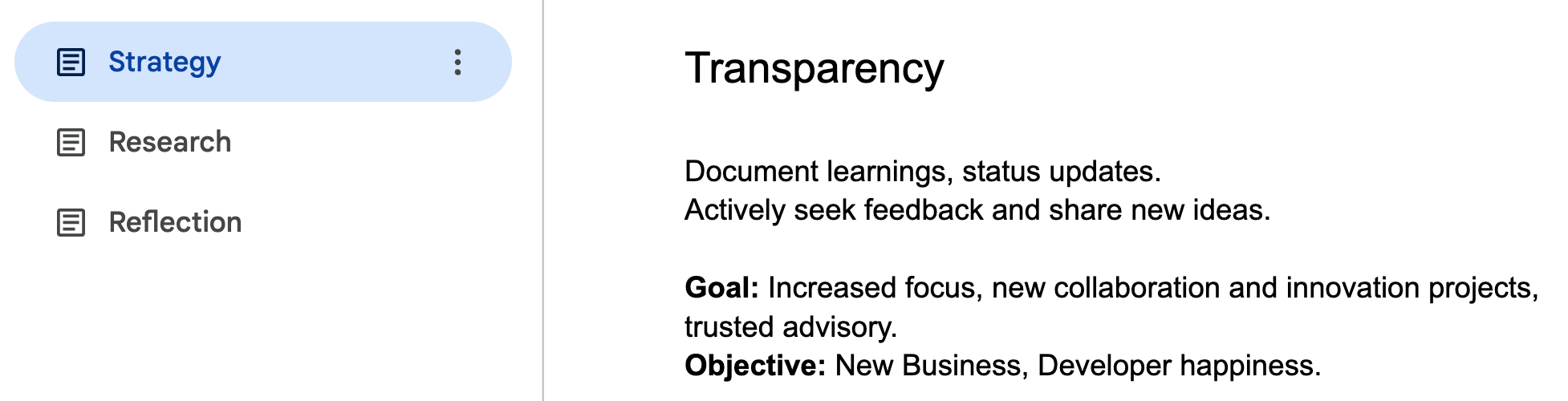
A fiscal year at work ends in January (FY26 from 2025-02-01 to 2026-01-31), inspiring me to reflect on my ambitious goals and results, and create a new plan for FY27 starting 2026-02-01. This year, my plan was much more refined with Goals, business objectives, and required resources.
February 2026
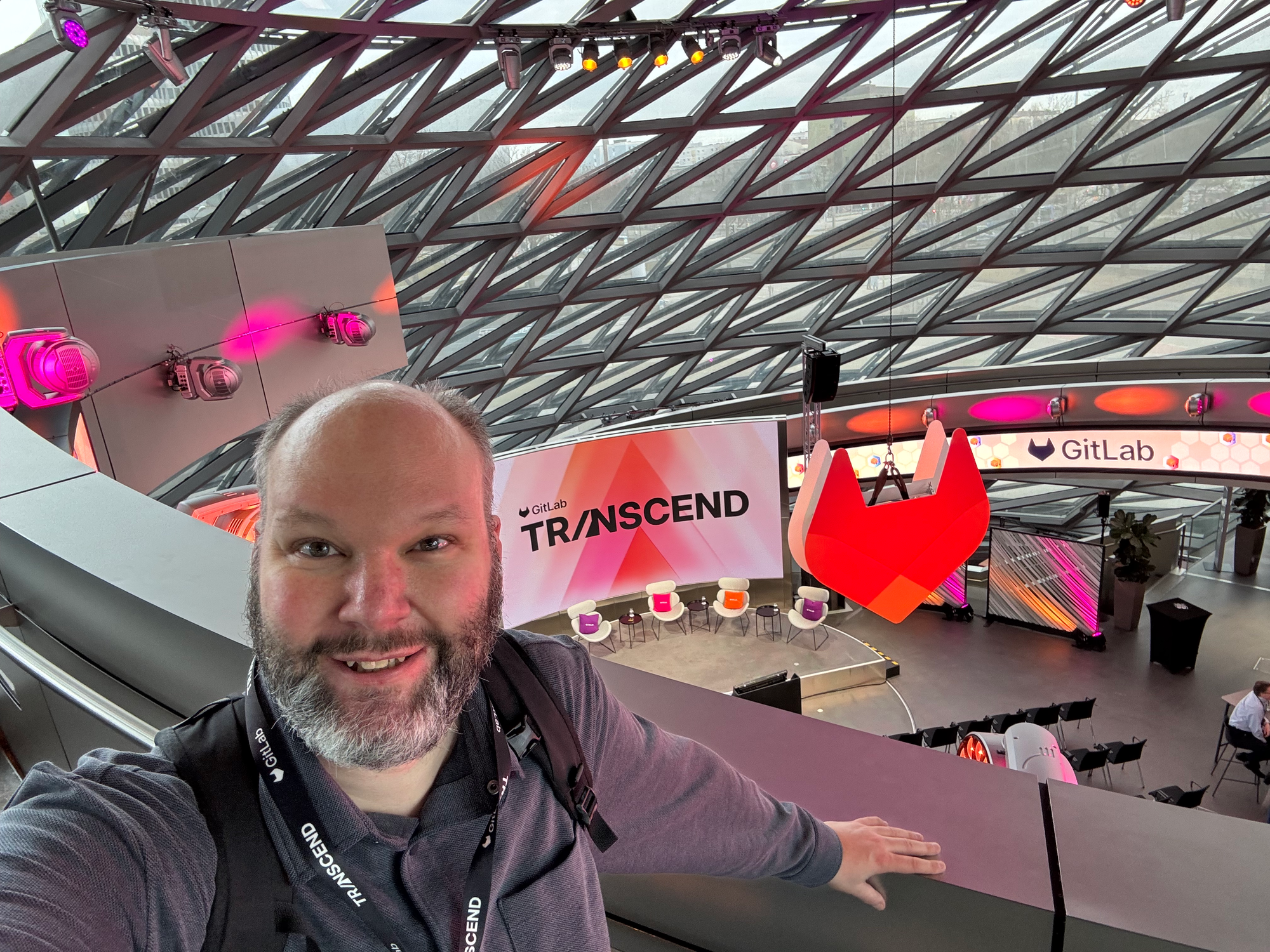
The GitLab Duo Agent Platform launch was followed by a global marketing event across the globe. I was happy to join customers in Munich at the BMW World. A top notch event location combined with inspiring customer panels and engaging conversations, loved seeing folks from CERN, Deutsche Bahn/DB Systel and MBition again :-)
In an all-remote environment, we also meet team members for the first time - I spent time with Manav Kurana, who had joined GitLab as CPMO in Summer 2025, and also met Maw Wildpaner, VP of Engineering, Security. Small world with Vienna and University IT, .at DNS, and C++ development ;-)
 🦊 Michael Friedrich 🌈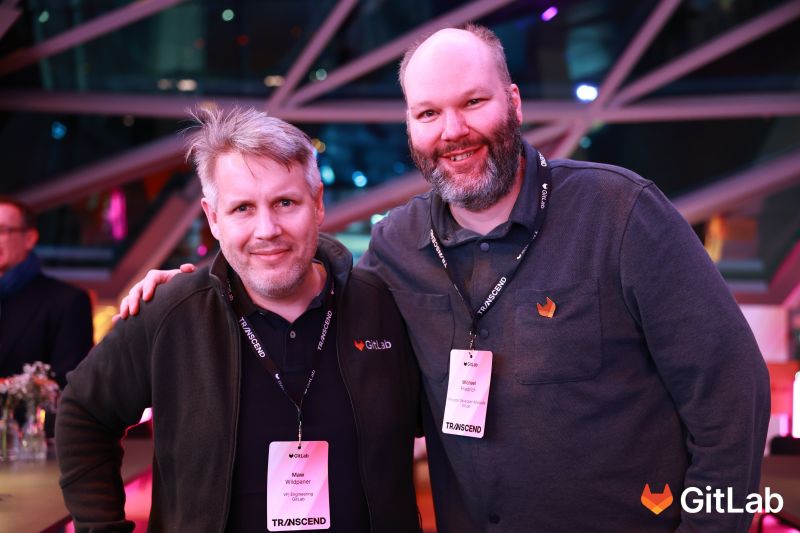
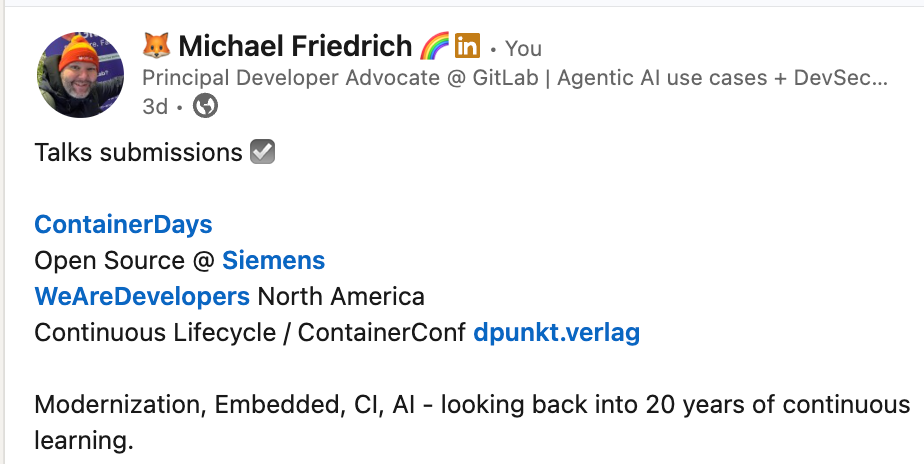
Fueled with engaging discussions and use case feedback from many events last year, I looked into research and future developments – one pillar is Modernization, where Agentic AI could help, and where it still fails. The second is my "at the edge" homelab research and innovation for LLMs and Agentic AI, offline sovereignty. I submitted talks to WeAreDevelopers EU+NA, Container Days, Open Source @ Siemens, CLC in 2026.
What I’ve learned
A few things crystallized for me in Year 6:
- AI matters when it meets real constraints.
The interesting work started when LLMs and agents hit legacy code, slow pipelines, embedded hardware, strict environments, or constrained edge devices. That’s where "AI" turns from a demo into something that either helps or clearly doesn’t. - You can’t scale yourself by answering everything.
I get pulled into a lot of AI and DevSecOps questions. The only way this works long‑term is to be choosy: say no more often, write things down, and turn one‑off answers into talks, demos, guides, or internal playbooks. - Leadership can be quiet and technical at the same time.
Stepping up as an AI SME, track moderator, mentor, and cross‑functional partner (UX, product, field, community) mattered as much as my talks themselves. A lot of my impact now comes from connecting people, framing problems, and asking "what does this feel like for a developer?"
My operating system (how I work)
This year I paid more attention to how I work, not just what I do:
- Guardrails for energy.
I protected recurring focus time, used "no meeting unless you ask" blocks, and added breaks before and after heavy event runs (Austria before the September tour, Lake Constance afterwards). That helped me avoid the classic "September near‑burnout" in past years. - An achievements log instead of vibes.
I kept a running log of wins, results, and moments that felt important. It’s less about polishing a CV and more about seeing patterns: which work creates the most impact and joy, and which just drains energy. - One meaningful conversation per trip.
Whether it was a cab ride in London, coffee in Zug, or hallway chats in Hamburg and Munich, I tried to have at least one conversation that wasn’t just "nice talk" but actually changed how I think. - Using talks and CFPs as forcing functions.
When I commit to a talk with a concrete title and abstract, I’m committing to a learning journey. ContainerDays, Open Source @ Siemens, Bitkom, the DACH roadshow, and the 2026 CFPs forced me to turn loose ideas (agents on the edge, modernization, AI sovereignty) into something real. - Leaning into the Principal mindset.
The promotion wasn’t just a new title. It nudged me from “I’m contributing” towards “I’m responsible for shaping direction,” especially around AI/agents, and how we help our customers and wider community.
Year 7: what I want to do next
Looking ahead, I’ve set myself a few clear challenges.
1. Become a hands‑on contributor to the platforms I talk about.
- Get my local GitLab development stack into a “push‑button usable” state and contribute more directly to Duo Agent Platform: extensibility, agent flows, skills, memory, and developer experience.
- Treat docs, demos, and small code contributions as part of the same story: “I use this, I shape it, I can show you how.”
2. Level up my Java/Spring Boot story for modernization.
- Build and run real Java/Spring Boot services, break and fix them, and then bring that experience into talks and workshops about modernization and AI‑assisted refactoring.
- Aim to speak about Java/Spring from experience, not just from slides.
3. Push deeper into “AI on the edge” and sovereignty.
- Continue my homelab work with Raspberry Pi, Jetson, microcontrollers, and friends.
- Explore what agentic AI looks like when it has to be local, resource‑constrained, or partially offline — and tell those stories honestly, including the failures.
4. Practice scalable leadership.
- Stay active as an AI SME and mentor, but bias more towards frameworks, playbooks, and reusable materials instead of bespoke 1:1 help.
- Keep moderating, facilitating, and connecting people across product, UX, community, and field — that’s where many of the best ideas surfaced this year.
5. Make the lifestyle match the ambition.
- Keep tying travel to rest (and vice versa), not just stacking events.
- Nudge my “lazy with sports” mode into more “I’m exploring this city or trail” mode.
That’s the plan for Year 7: keep pushing the boundaries of AI + DevSecOps + embedded, but at a pace and in a way that I can sustain for a long time.
A special note at the end
At our FY27 Company Kickoff, Bill Staples closed with two questions that have been stuck in my head ever since: “Why GitLab?” and “Why not GitLab?”
Why not GitLab?
I work a lot. Sometimes that means evening hours, trains turned into offices, or writing slides from hotel rooms between events. Most of that effort is invisible. No one is going to thank me later specifically for “that one late night before a roadshow,” and it doesn’t always map 1:1 to a promotion or a neat line on a CV.
So why do I still do it?
A big part of the answer goes back to my family. I’m writing these lines on a weekend in Austria, surrounded by the people who shaped how I think about work and success. We grew up in a family business, three kids, all encouraged to find our own paths while money and time were often tight. Our parents backed us through studies, early jobs, and a lot of uncertainty. Today we’ve each taken different routes, mine at GitLab, my siblings in their own missions, but the pattern is the same: we work hard for goals that matter to us, and we don’t really know how to do it any other way.
That’s the lens I bring to GitLab.
Why GitLab?
GitLab is not a 9‑to‑5 job. I never wanted that. I need cross‑functional collaboration, the feeling that I’m building something that matters, and people who will give direct feedback because they care. I see that in product reviews, customer calls, async Slack threads, and mentoring conversations.
I grow here because I’m trusted to do real work: advising, connecting dots between teams, seeding ideas, exploring weird use cases in my homelab, and then turning all of that into something others can use. I get to help people ship better software, modernize difficult systems, and navigate AI in a way that’s honest, not hype driven. Mentoring, especially through programs like the Women TMRG, is part of that same thread: helping others find their own paths, the way my family did for me.
There’s also a very practical side: GitLab has given me financial stability my younger self could barely imagine. In 2009, just out of my studies, I wanted a life where I could save for the future, support family, travel occasionally, enjoy good food, and afford a slightly expensive hobby like LEGO sets. I have that now. I don’t take it for granted, and I don’t forget where I started.
So when I ask myself “Why GitLab?” the answer is simple:
Because it lets me combine impact, growth, community, and the life I hoped for when I first decided that life is an adventure.
Let's go!
I'm grateful for my 6th year, and the many folks supporting me on my adventure.
Peek into my upcoming events and let me know your travel plans, and connect for quality time exploring new tastes :-)
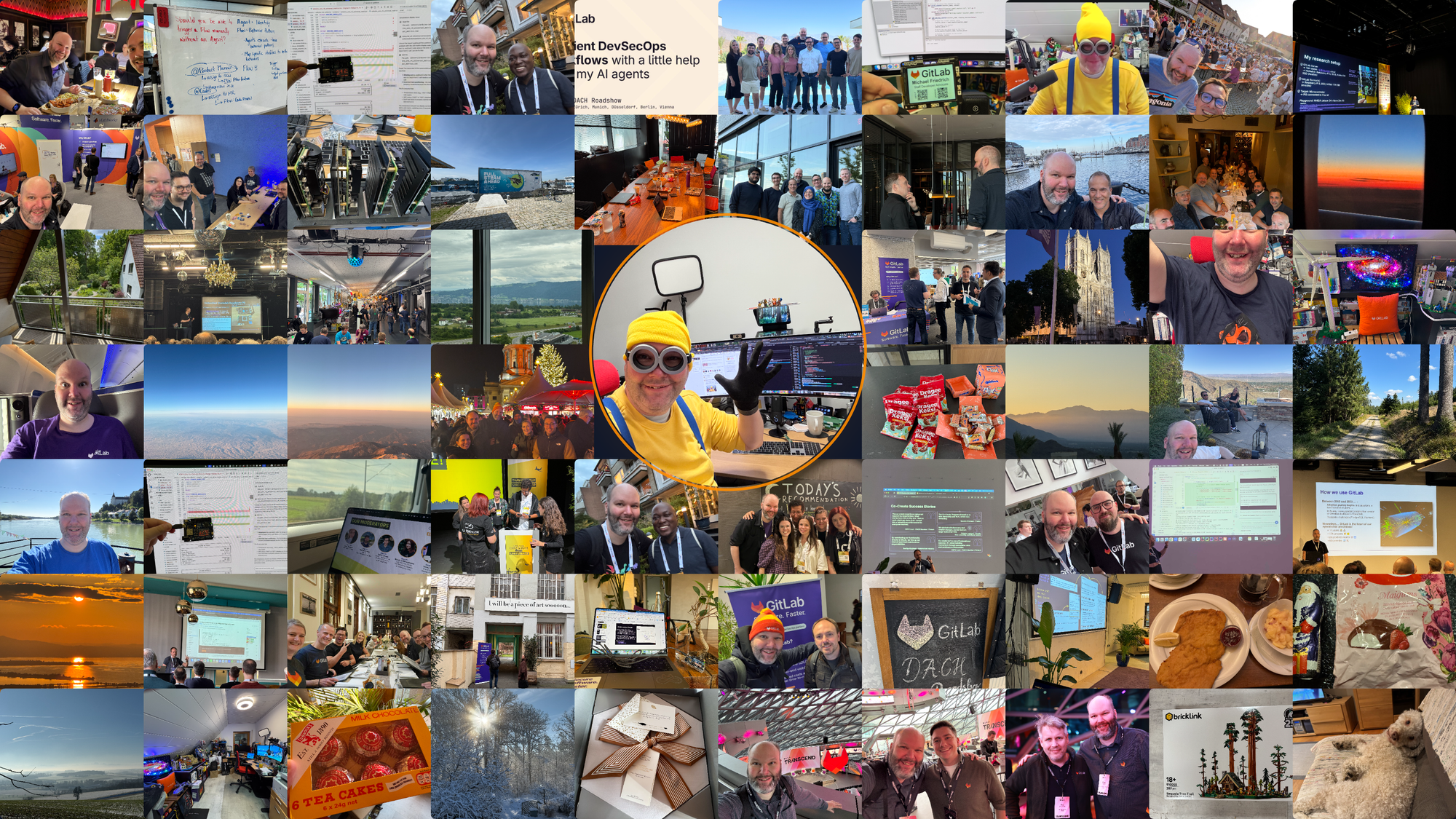
Transparency note: Original written director's cut refined with Glean research, and cut a little shorter with a little help from AI. Claude helped generate the header image as collage, worked better than last year as a single HTML file generator (attached here).